How a Commercial Appraiser in St. Thomas Ontario Determines Property Value
When people hear the word "appraisal," they often imagine a quick estimate tied to a sale price or a lender's checkbox. Commercial valuation is nothing like that. A credible appraisal is closer to a disciplined investigation. It blends market evidence, financial analysis, construction knowledge, zoning review, and a fair amount of judgment earned through fieldwork.
That is especially true in a market like St. Thomas, Ontario, where property values can shift for reasons that are not always obvious from a listing sheet. A warehouse near a growing industrial corridor, a mixed-use building in the core, and a small multi-tenant retail plaza on the edge of town may all sit within a short drive of one another, yet each responds to a different set of market pressures. A capable commercial appraiser in St. Thomas Ontario does not treat those assets as interchangeable. The process begins with understanding exactly what is being valued, then moves through a series of tests designed to answer a simple question: what would a well-informed buyer reasonably pay for this property in the current market?
The assignment starts before anyone visits the site
A proper appraisal begins with the scope of work. That sounds technical, but in practical terms it means defining the job clearly enough that the result will be reliable. The appraiser needs to know the property type, the intended use of the report, the effective date of value, the ownership interest being appraised, and whether there are unusual conditions affecting the property.
Those details matter more than most clients expect. A lender financing a small office building needs an opinion of value that reflects market risk and lease stability. A business owner considering the purchase of an industrial condo may care more about replacement cost, utility, and future resale potential. An investor disputing property taxes may need an analysis that isolates the effect of location, deferred maintenance, and income loss. The same building can produce different value conclusions depending on the purpose of the appraisal and the rights being valued.
In commercial real estate appraisal St. Thomas Ontario, this early framing is often where experienced appraisers save clients from confusion later. If the report is intended for financing, the appraiser will usually be focused on market value and lender-specific requirements. If the report supports litigation, partnership dissolution, estate planning, or internal decision-making, the depth of analysis may shift. The property itself has not changed, but the lens has.
Understanding the real property, not just the address
The inspection is where the work becomes tangible. A commercial appraiser does not simply note square footage and snap a few photos. The inspection is a chance to test assumptions and spot value drivers that public records rarely capture.
In St. Thomas, commercial properties vary widely in quality, age, and functionality. Some older buildings have solid bones but dated systems. Some newer properties look efficient on paper yet suffer from poor truck access, shallow bays, awkward parking layouts, or tenant improvements that limit flexibility. A retail property may appear healthy from the street while struggling with visibility issues at peak traffic times. An industrial building may show strong occupancy but rely on a single user whose lease is near expiry.
During inspection, an appraiser looks closely at the site, building, access, visibility, exposure, construction quality, condition, ceiling heights, loading facilities, HVAC systems, tenant layout, code-related constraints, and deferred maintenance. The appraiser also considers what cannot be seen immediately. Has the owner completed recent capital work, or has upkeep been postponed for years? Are there signs of water intrusion, settlement, or obsolete design? Is the current use legally permitted under zoning, and if so, is it the highest and best use of the site?
That last phrase matters. Highest and best use is one of the foundations of commercial appraisal. It asks whether the current use is legally permissible, physically possible, financially feasible, and maximally productive. In plain language, it helps determine whether the property is being used in the way that creates the most value. A low-density commercial use on a site with stronger redevelopment potential may not be worth only what the current income suggests. On the other hand, a building with a highly specialized layout may have less market appeal than the owner believes, even if it serves their business perfectly.
St. Thomas is not a generic market
Valuation becomes unreliable when it ignores local context. St. Thomas has its own rhythm, its own commercial nodes, and its own development story. Local employment trends, industrial activity, transportation links, municipal planning, and investor sentiment all play a part. The market is shaped by regional relationships as well. What happens in nearby centres can influence demand, rental rates, land pricing, and buyer expectations.
For a commercial property appraisal St. Thomas Ontario, local knowledge often shows up in subtle ways. Two properties may have similar square footage and construction, yet one will command stronger pricing because it sits in a more functional location for its user base. A site with straightforward access to major routes can matter far more to an industrial buyer than cosmetic upgrades. A downtown building with character may attract a loyal tenant mix, but that same charm can come with higher operating costs and renovation constraints. A suburban commercial building may appear less distinctive, yet offer cleaner lease-up potential because units are more standardized.
Appraisers who work regularly in this market know that local data needs interpretation. Sales are not always abundant in every asset class, and when transaction volume is thin, it is not enough to pull a few comparables and average them. Each sale must be tested. Was the buyer owner-occupying the property? Was the property exposed to the market long enough? Were there vendor take-back terms, unusual lease structures, partial vacant possession, or redevelopment motives? These details can change the meaning of the sale completely.
The three classic approaches to value
Most commercial appraisal assignments rely on some combination of the income approach, the sales comparison approach, and the cost approach. None of them works in isolation on every assignment. The appraiser's job is to decide which methods deserve the most weight and why.
The income approach often carries the greatest weight for income-producing properties. Investors buy commercial real estate for cash flow, risk-adjusted return, and future upside. If the property is leased or can be leased at market terms, the appraiser will examine gross income, vacancy allowance, operating expenses, and net operating income. From there, value may be estimated through direct capitalization or, in some cases, discounted cash flow analysis.
Direct capitalization sounds more mysterious than it is. The appraiser estimates stabilized net operating income and divides it https://felixwqct802.quillnesty.com/posts/how-commercial-land-appraisers-in-st.-thomas-ontario-support-smart-acquisitions by an appropriate capitalization rate. The challenge lies in getting both numbers right. Market rent needs to reflect what the space would realistically achieve, not simply the rent the owner hopes for. Operating expenses must be normalized, especially when owner-managed buildings understate certain costs or when one-time expenses distort a given year. The capitalization rate must reflect property type, lease quality, tenant risk, building age, location strength, and broader investor expectations.
This is where a seasoned commercial appraiser St. Thomas Ontario earns their fee. Cap rates are not pulled from the air. They are extracted from market sales when possible, tested against investor surveys where relevant, and adjusted based on property-specific risk. A single-tenant property leased to a strong covenant for many years ahead does not trade the same way as a small multi-tenant building with near-term rollover and modest leasing risk. If an appraiser applies a generic rate without accounting for those differences, the result can miss the market by a meaningful margin.
The sales comparison approach is often powerful because it reflects actual transactions. Buyers and sellers reveal value through action, not theory. Still, comparable sales are rarely truly comparable. The appraiser has to compare location, site size, building area, age, condition, tenancy, zoning, utility, and timing. In a market with limited recent transactions, adjustments become critical.
A common misconception is that the best comparable is simply the closest one geographically. That is not always true. A sale a bit farther away may offer better physical and economic similarity than a nearby property with a different use profile, lease structure, or redevelopment potential. In commercial appraisal services St. Thomas Ontario, appraisers regularly balance proximity with relevance. The goal is not to win a map contest. The goal is to understand what informed market participants would compare.
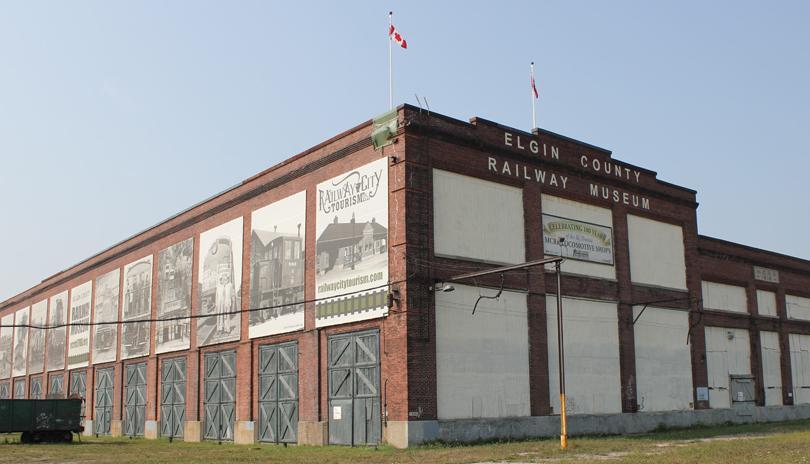
The cost approach tends to be most useful for newer properties, specialized buildings, or situations where sales and income data are limited. It considers the value of the land as if vacant, then adds the depreciated cost of improvements. In practical terms, the appraiser asks what it would cost to build the property today, then subtracts depreciation for age, wear, functional obsolescence, and external factors.
For older commercial properties, the cost approach can become less persuasive because estimating depreciation accurately is difficult. A building may be structurally sound yet functionally behind the market. A low ceiling, poor loading configuration, excess office buildout, or inefficient mechanical systems can reduce appeal long before a structure reaches the end of its physical life. Cost does not equal value, and good appraisers never pretend otherwise.
Income quality matters as much as income quantity
One of the biggest mistakes owners make is assuming value rises in lockstep with gross rent. Buyers care about the durability of income, not just the headline number. A building with above-market rents may look strong until lease expiry exposes the gap between current income and what the market will actually support. On the other side, a property with under-market rents can hold upside that supports value, but only if lease terms, tenant demand, and release assumptions make that upside realistic.
Lease review is often one of the most time-consuming parts of a commercial appraisal St. Thomas Ontario. The appraiser reads rent rolls, lease abstracts, amendments, renewal options, expense recoveries, inducements, termination rights, and landlord obligations. A net lease is not always truly net. Some leases shift most costs to the tenant, while others leave the landlord exposed to management, structural items, capital replacements, or caps on recoverable expenses.
A brief example makes the point. Two small retail plazas may each show similar net income on a summary sheet. One has a stable mix of service tenants on staggered expiries, market rents, and predictable recoveries. The other depends heavily on one tenant paying above-market rent with a near-term option to leave. On paper, the income looks similar. In the market, risk is different, so value is different.
Vacancy, expenses, and normalization
Commercial properties rarely perform in perfectly clean financial lines. Owners mix personal expenses into statements, defer repairs, absorb tenant costs inconsistently, or run buildings more efficiently than a typical investor could. Appraisers normalize the numbers to reflect market reality.
Vacancy is a good example. Even a fully occupied building may warrant a vacancy and collection allowance if the market expects downtime between tenants, credit loss, or leasing friction. That allowance is not a punishment. It is recognition that income-producing real estate operates over time, not in a single month snapshot.
Expenses deserve the same scrutiny. Insurance, utilities, snow removal, repairs, maintenance, management, reserves for replacement, and administrative costs all need review. In Ontario markets with seasonal weather and older building stock, these items can move more than inexperienced owners expect. A property with aging rooftop units or a tired parking area may not show immediate distress in historic statements, but an informed buyer will factor anticipated capital needs into pricing.
Location is more than a pin on a map
People say location determines value, and that is true only if the word is unpacked. In commercial valuation, location means access, visibility, surrounding land use, traffic patterns, tenant appeal, labour availability, transportation efficiency, and sometimes future planning policy.
In St. Thomas, those factors can play out differently depending on the asset. Industrial users may prioritize road connections, trailer circulation, yard depth, power, and building clear height. Office tenants may care more about parking, image, nearby services, and efficient suite layouts. Retail tenants want exposure, convenience, and a customer base that actually matches the concept. Multi-tenant buildings need a location that supports repeated leasing, not just one ideal tenant.

A property can be in a generally good area and still suffer from a specific disadvantage. Limited turning access, awkward ingress and egress, shallow setbacks, poor signage visibility, or neighboring uses that discourage customers can all affect value. These are the details appraisers pick up in the field, and they often explain why one property outperforms another despite similar fundamentals.
Zoning, legal issues, and the hidden limits on value
Valuation is not just about what a property is doing today. It is also about what it is legally allowed to do. Zoning, site plan controls, parking requirements, environmental considerations, easements, encroachments, and non-conforming uses can all shape value.
An owner may say, "This building could easily be converted," but until zoning and physical constraints support that claim, it remains speculation. Appraisers test these assumptions carefully. A parcel that appears ripe for redevelopment may need costly servicing upgrades, access changes, or planning approvals. A building operating under legal non-conforming status may continue as is, yet carry restrictions that limit expansion or rebuilding after damage. Those details affect what buyers will pay.
Environmental risk deserves special mention in commercial property appraisal St. Thomas Ontario. Appraisers are not environmental engineers, but they are expected to recognize when a property's history or current use raises concerns. Past industrial activity, fuel storage, repair uses, dry cleaning, and certain manufacturing processes can trigger buyer caution and lender scrutiny. Even the possibility of contamination can influence marketability and, by extension, value.
Reconciliation is where experience shows
After analyzing the data, the appraiser does not simply average the indications from each method. Reconciliation is a judgment exercise. It asks which approach best reflects how the market would value this specific property at this specific time.
For a stabilized apartment or retail investment, the income approach may deserve primary weight. For an owner-occupied industrial facility with limited rental evidence, the sales comparison approach may be more persuasive, with the cost approach as secondary support. For a newer special-purpose building, cost may play a larger role. The appraiser explains that weighting, because value without reasoning is not appraisal, it is guesswork dressed up in formal language.
This part of the process often separates rigorous commercial appraisal services St. Thomas Ontario from quick opinion work. Clients sometimes want a single neat answer without much explanation. Real properties do not always cooperate. The strongest appraisals acknowledge where evidence is firm, where it is thinner, and how professional judgment bridges the gap.
Why two appraisers can differ, and when that is normal
Commercial valuation is grounded in evidence, but it is not mechanical. Reasonable appraisers can differ, especially in markets with limited data or rapidly changing conditions. One may place more weight on recent local sales. Another may emphasize broader regional trends or investor return expectations. One may view a property's deferred maintenance as manageable. Another may treat it as a stronger discount to marketability.
That does not mean either report is flawed. The important question is whether the reasoning is transparent, well-supported, and consistent with market behavior. A reliable appraisal should let a reader follow the logic from raw facts to final value conclusion. If the report makes major adjustments without explanation, ignores obvious risk, or relies on weak comparables when better evidence exists, skepticism is warranted.
What property owners can do before ordering an appraisal
The best appraisal assignments tend to happen when owners provide complete, organized information early. A missing lease amendment, outdated rent roll, or vague operating statement can slow the process or muddy the analysis. So can informal occupancy arrangements that were never documented properly.
Good preparation usually includes current leases, a rent roll, recent operating statements, property tax information, site and floor plans if available, a summary of recent capital improvements, and any relevant surveys, environmental reports, or planning materials. That does not guarantee a higher value. It does make for a more accurate one.
Owners should also be realistic about what the appraisal can and cannot do. It can measure market value based on evidence and sound analysis. It cannot convert a weak tenant mix into a strong one, erase deferred maintenance, or assume a rezoning that has not been approved. The market rewards functionality, income quality, and credible upside. It discounts uncertainty.
The final number is the endpoint of a process, not the starting point
When people search for a commercial appraiser St. Thomas Ontario, they often think they are hiring someone to provide a number. In reality, they are hiring someone to defend that number. A dependable opinion of value comes from inspection, local market knowledge, financial analysis, legal awareness, and disciplined judgment. It reflects not just what a property is, but how the market is likely to react to it.
That is why commercial real estate appraisal St. Thomas Ontario remains a specialized field. The work demands more than familiarity with real estate. It requires the ability to separate noise from signal, owner optimism from market evidence, and comparable appearance from comparable value. In a place like St. Thomas, where commercial assets can be affected by both local nuances and wider regional trends, that distinction matters.
A strong appraisal gives lenders confidence, helps buyers avoid overpaying, gives owners a clearer basis for strategy, and creates a common language when people with different interests need to make a decision. The final figure on the page matters, of course. The reasoning behind it matters more.